

Google AdSense Announces Crackdown on Inauthentic Click Activity
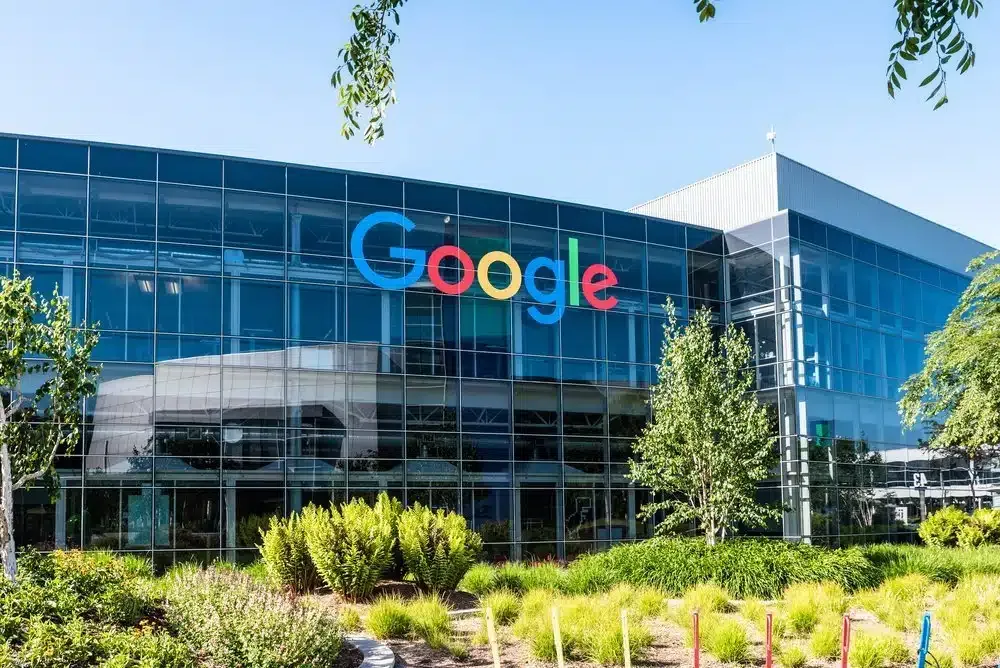
Last week, Google AdSense announced a crackdown on inauthentic click activity by blocking ads from sites that use inauthentic activity to boost revenue.
Online advertising has been a prevalent part of the entertainment ecosystem for decades. It’s easy to forget how much of a paradigm shift online ads were for business marketing. Before the internet, there wasn’t an easy way to know how many people saw an advertisement or how much money an ad campaign generated.
At best, advertisers could show a correlation between their campaigns and an increase in sales. However, with the internet recording every click and transaction, it became possible to attribute website visits and sales to a particular ad directly. This meant a shift to ad payment systems based on clicks and conversions, instead of the size of the audience that saw the ad. The unintended side effect of this was the rise of fake clicks and other scams to generate more revenue for website owners and ad platforms. Last week, Google AdSense announced a crackdown on inauthentic click activity.
To get the most money from ads shown on their website, publishers need people to click on the ads that show on their site. Ideally, these clicks are supposed to happen naturally. Website visitors see an advertisement that’s relevant to them and click to learn more. However, some publishers try to increase their revenue by encouraging inauthentic ad clicks. Inauthentic activity could come from illicit scripts that automatically click the ad; manual inauthentic activity where people click the ads on a site to help a publisher; or web design choices that make accidental clicks more often.
Last week, Google AdSense announced that they would be doing more to fight inauthentic activity. Google will stop showing ads on sites that use tactics linked with inauthentic activity. Publishers will be given a chance to fix their errors, but they won’t be able to get any more ad revenue until they do.
The company stated, “This year, we’re enhancing our defenses even more by improving the systems that identify potentially invalid traffic or high-risk activities before ads are served. These defenses allow us to limit ad serving as needed to further protect our advertisers and users.”
While this change affects website owners more than advertisers, the change is great news for businesses that use Google Ads to reach their target consumer. Inauthentic click activity is the bane of all marketers and advertisers since it’s the equivalent of paying counterfeit goods.
A business should expect a certain amount of leads and sales to come from the people who click on their ads. When websites use tactics that generate inauthentic clicks, advertisers end up paying for nothing. Many business owners have been confused by PPC ad reports that suggest there should be far more leads and sales than what’s actually seen.
This policy is excellent news for marketers and advertisers. Fighting inauthentic activity means less money is wasted paying for useless clicks. And making PPC ads on Google more effective gives more business leaders reason to spend money on online ads. Some critics accused Google of not caring about inauthentic activity, but anything that made people question the value of online ads hurt the company in the long run.
Website owners that rely on ad revenue should take a moment to review their sites to ensure they aren’t doing anything that may result in inauthentic click activity. Even telling your readers to support you by clicking ads could be viewed as problematic. Google AdSense will send out warnings, but it’s better to avoid having your ad revenue stopped while you work out any issues with Google.
For more recent news about PPC ads on Google, read this article on the end of accelerated delivery for certain ads types.
Quick check
Is your site built for AI search?
Does each service have its own page with the answer up top?
Is your main answer in the first 60 words of the page?
Do your headings match how customers actually search?
Does your site load fast and stay clean on mobile?
Do your pages have schema (FAQ / Article) marking them up?
More on SEO



Built and managed thousands of WordPress, Wix, and Shopify sites, plus hundreds on Squarespace, GoDaddy, BigCommerce, Duda, and Weebly.
