

8 Tips For Writing Transactional Ad Copy That Converts Second-Scroll Searchers
Are you trying to write transactional PPC ad copy? If so, check out this informative blog. Click here to learn more!
Buyers who scroll past the AI summary are not browsing. They are actively seeking information. They already know the basics and want something they can act on. This shift means your PPC ad copy must do more than grab attention.
It needs to answer what the summary missed, match the buyer mindset, and make the next step feel easy. Language, tone, and structure all matter when someone is close to clicking. Small changes in wording often change response rates.
Here are proven tips for writing transactional PPC ad copy that resonates with second-scroll searchers and drives action.
Key Takeaways
- Buyers who scroll past AI summaries are already in decision mode, and your ad needs to match that mindset fast.
- Filling in what the summary missed builds trust and makes your offer feel like the obvious next step.
- PPC ad copy that sounds familiar, sets clear expectations, and adds urgency turns attention into clicks.
Stop Selling, Start Framing
Most buyers already understand the offer and are tired of ads that push features without context. A stronger approach pulls attention through a clear outcome the buyer wants to reach soon. This shift transforms ad copy into a story with purpose, rather than a pitch.
Clear framing connects everyday worries with a simple next step people recognize as useful. A line like Know if your roof will survive winter speaks to safety and planning rather than a task list. Results-focused language builds interest because readers picture life after the problem fades.
Strong framing keeps the message flowing from concern to relief in a natural way. Each sentence supports the next, so the reader feels guided rather than pushed. When the outcome feels clear and relevant, taking action feels like common sense.
Make Price a Starting Point
Some buyers reach your ad already comparing offers. They have read the summary, checked a few links, and now they want clear numbers. Sharing a starting price gives them a quick way to see if your offer fits.
When you name a price range, you help real buyers move forward. It also filters out people who are not ready, saving clicks that will not convert. This approach adds clarity and builds trust immediately.
PPC ad copy with price details feels honest and direct. Instead of hype, it shows confidence and helps people make faster choices. For shoppers ready to act, this difference matters.
Speak in the Language of the Search
People trust what sounds familiar. When your ad includes the same phrases they have already seen in AI summaries or related searches, it feels like a natural fit. This detail helps your message stand out on a busy results page.
Searchers want fast answers that feel made for them. If your wording matches what they are typing or scanning for, they are more likely to stop and read. Using their own search language helps your ad blend in while still pulling attention.
Strong PPC ad copy reflects the language people already use and gives it back with more purpose. The next click feels like a smart choice.
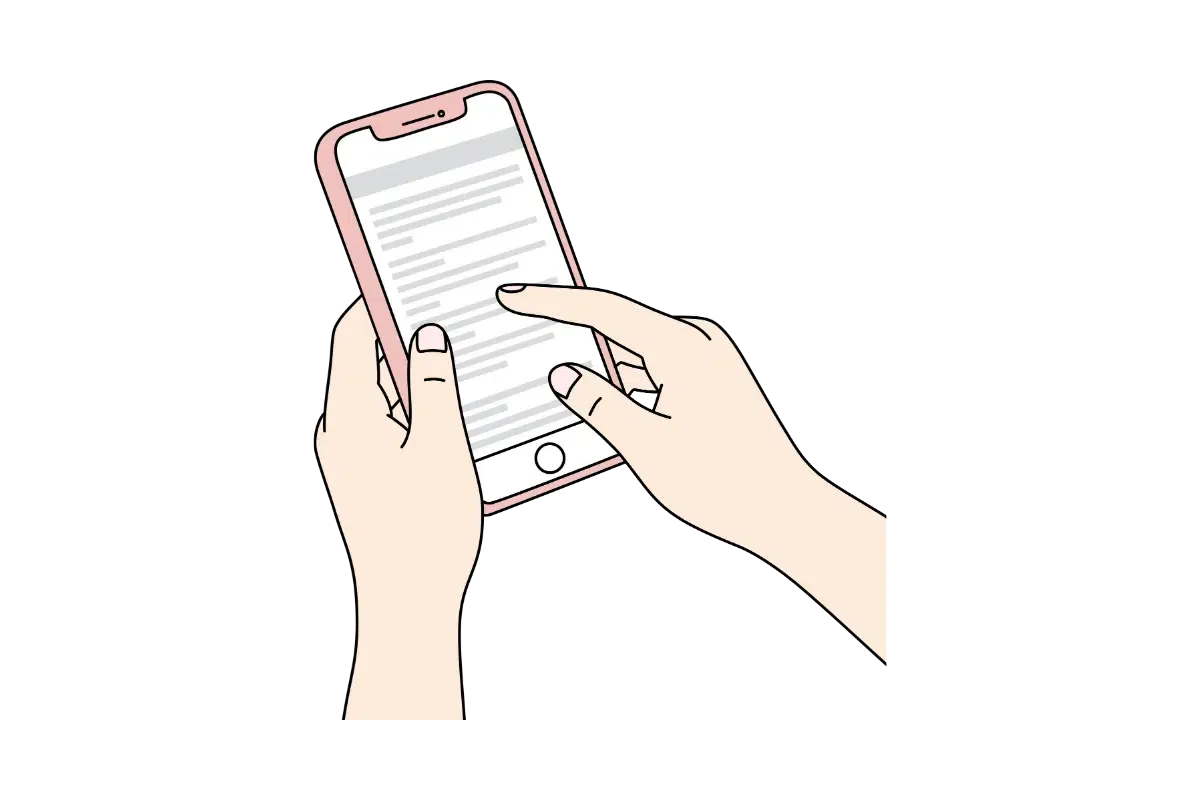
Make Mobile Readability a Priority
Second-scroll buyers are not reading every word. They scan for answers while juggling tabs, notifications, and small screens. If your message is hard to skim, they skip it.
Front-Load What Matters
Place the most important value or outcome first. Mobile users decide fast if an ad deserves attention. Leading with impact helps your message land before they scroll past.
Use Line Breaks to Guide the Eye
Every line should move the buyer closer to a decision. Clear breaks help readers stay focused. Avoid bulky blocks that blur your message on smaller screens.
Format for Finger Speed
Clickable language works better when it feels easy to act on. Mobile searchers tap fast, so each word must earn its place. Clean formatting helps the call to action stand out.
Use Contrast to Steal Attention
Search results blur together once buyers move past the top. Your PPC ad copy needs to break that pattern fast. A clear difference, like faster delivery or a stronger guarantee, helps your offer stand out.
Skip generic claims. If others say ships fast, say delivered tomorrow or it is free. This kind of bold message makes shoppers pause.
People want an easy way to choose. Highlight what makes your offer better without sounding like everyone else. When the difference is obvious, the next click feels easy.
Make Urgency Specific, Not Generic
Most buyers have seen limited time so often it barely registers. Vague urgency blends into the background. What stops the scroll is urgency that feels real.
A deadline like Offer ends Friday at 6 PM gives people something concrete to act on. When someone sees a clear cutoff, it creates pressure that pushes decisions forward.
Urgency works best when it sounds genuine. Saying Only three spots left for today feels more believable than broad claims. Specific details drive faster clicks.
Include the One Detail the AI Skipped
AI summaries often highlight products but miss small facts that matter. Details like store hours, same-day service, or live chat availability turn interest into action.
When your ad offers the one thing the summary left out, it feels more helpful. You give people exactly what they need to move forward. Your ad becomes the final answer.
Buyers who scroll are already curious. They want clarity. Show the missing piece and give them a reason to stop searching.

Test Emotional Shifts, Not Just Headlines
Changing a headline might catch attention, but it does not always change behavior. Action comes from how your message makes people feel. Emotional tone shapes response.
The following angles lead to stronger results when tested with intent.
- Confidence over pressure. Calm assurance feels honest and dependable.
- Relief over hype. Showing stress removal feels real.
- Ease over savings. Convenience often beats discounts.
- Control over fear. A sense of control keeps urgency helpful.
Adjusting tone helps your ad feel like a solution that meets people where they are.
Win More Clicks With Smarter PPC Ad Copy
Second-scroll buyers are ready to act when your message meets them where they are. The right PPC ad copy finishes the conversation. Small Business SEO helps you write ads that close the sale.
Quick check
Is your site AI-ready?
Does each service have its own page with the answer up top?
Is your main answer in the first 60 words of the page?
Do your headings match how customers actually search?
Does your site load fast and stay clean on mobile?
Do your pages have schema (FAQ / Article) marking them up?
Frequently asked questions
Transactional ad copy speaks to buyers ready to act. It focuses on value, next steps, and reasons to move now.
Use specific language, match search tone, and fill gaps the AI skipped. These buyers want clear action.
Familiar phrasing, confident tone, and visual keywords build trust and connection.
Sharing price filters serious buyers and builds trust. It helps your ad stand out from vague summaries.
Look for what the AI summary misses, like availability or service speed. Filling those gaps turns your ad into the answer.
More on Google Ads & PPC

Built and managed thousands of WordPress, Wix, and Shopify sites, plus hundreds on Squarespace, GoDaddy, BigCommerce, Duda, and Weebly.
