

Using Purchase History to Build PPC Ads That Speak Directly to High-Spending Customers
Analyzing purchase history is a great way to optimize your PPC ads. Check out this informative blog to learn how to boost your PPC campaigns!
Building PPC ads that connect with high-spending customers isn’t about guessing what they want. It’s about digging into their purchase history and using that data to craft personal and relevant ads. High-value customers have clear patterns in what they buy, when they buy, and how much they’re willing to spend.
Ignoring those patterns means leaving money on the table. Smart business owners use this information to create ads that speak directly to these customers’ habits and preferences.
This guide will show you how to stop wasting ad dollars and start targeting the people who matter most.
Segment High-Spending Customers
If you want to make your PPC campaigns more profitable, begin by identifying your highest-value customers. These people buy often, spend more, and show consistent behavior patterns across multiple transactions. Instead of marketing to everyone, use your purchase history to zero in on the buyers who already prove their value.
Here’s how to turn purchase data into focused, high-converting PPC campaigns:
- Track Average Order Value Over TimeLook for customers whose order amounts are consistently above your store’s average. This shows long-term buying power, not just a one-time splurge.
- Analyze Product Bundling HabitsHigh-spending customers often buy groups of products that work well together. Use this insight to create ads that recommend bundles or encourage premium add-ons.
- Map Out High-Spender Purchase CyclesPay attention to how often these customers return and what time of year they spend the most. Align your ad timing with these habits to stay top-of-mind when they are ready to buy.
Focusing your PPC strategy on these top-tier customers increases your chances of high returns without wasting money on low-value traffic.
Pinpoint Product Favorites
Look closely at what your biggest spenders are buying again and again. These products or services show what matters most to them. Instead of guessing what to promote, use this real data to guide your ads. Focusing on customer favorites makes your ads feel more personal and helpful.
Put the most popular high-ticket items front and center in your ad images and headlines. People are more likely to click when they see something they already want. This also helps build trust because your ads match what customers are used to buying. Keep it simple, clear, and focused on what your best buyers care about.
Spot Timing Patterns
High-value customers often shop at the same time, even if they don’t realize it. Some place orders on certain days of the week, while others return during specific seasons or late at night. These habits are useful clues to improve how and when your PPC ads appear.
Review your sales data to find the times when your top spenders are most active. Maybe they shop more during holiday weekends or at the start of each month. Showing your PPC ads during these windows makes them more likely to see and click.
Once you find these patterns, adjust your PPC ad schedule to match. You don’t have to run ads all day long if your best results come during a few key hours. Using this strategy helps your ads get noticed at just the right time.
Find Smart Upsell Opportunities
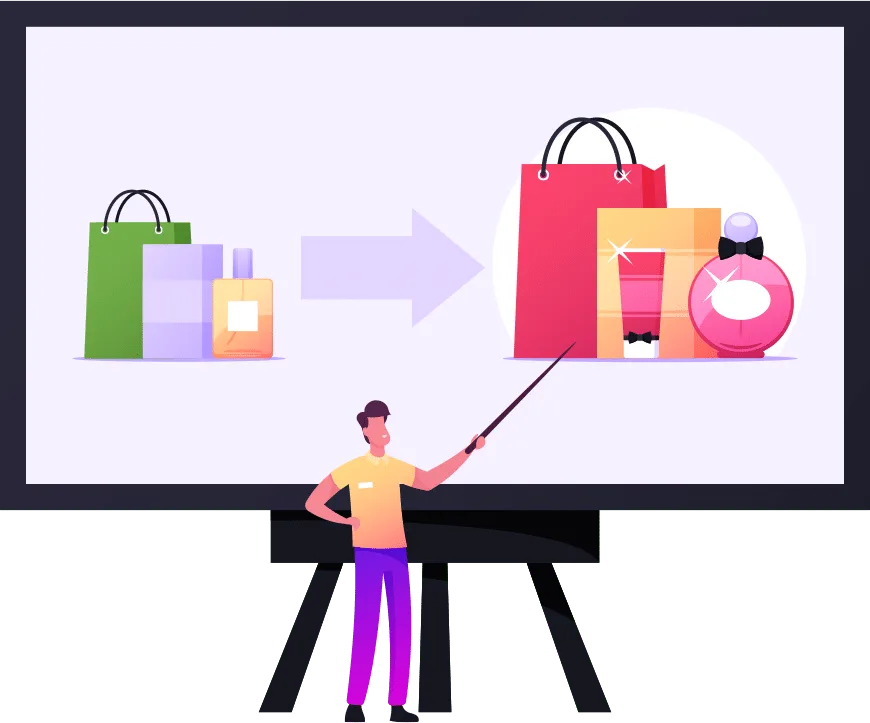
Customers who already spend more often look for better options. They may be open to buying upgraded versions of the products they already like. When you review what they buy together, you can find smart ways to offer more value in your PPC ads.
Many high-spending customers enjoy extras that improve their experience. For example, someone who buys a basic tool kit might also want a pro version with more features. PPC ads focusing on upgrades and added benefits can catch their attention and encourage them to spend even more.
Make your ads clear about what makes the upgrade better. Show how the premium version saves time, works better, or lasts longer. When you highlight the value, your PPC campaigns have a better chance of turning clicks into bigger sales.
Highlight Exclusive or Limited-Edition Items
Some customers enjoy feeling like they are getting something special. When you offer limited-edition or hard-to-find items, these buyers are more likely to pay attention. They don’t want to miss out on something unique that not everyone can get.
PPC ads work well when they use words that create urgency. Phrases like “only a few left” or “limited supply available” can push high-value customers to act fast. Ensure your ads show these items clearly and explain why they are worth grabbing before they go.
Personalize Ad Copy with Specific Details
Using details from past purchases can make your PPC ads feel more personal and relevant. Customers who see something that matches their style or shopping habits are more likely to click and buy again.
Mention Favorite Categories
If someone often shops for skincare, your ads should highlight related products like serums or moisturizers. This shows that you understand their needs and helps your brand stand out. Even small category matches can boost trust and interest.
Reflect Their Shopping Style
Some customers shop focusing on quality, while others look for new trends. Your ad tone should match their style, whether it’s sleek and modern or simple and classic. This makes the message feel familiar and encourages repeat purchases.
Show That You Remember
Use phrases that remind them of past choices, like “Loved your last pick?” or “Here’s something you might enjoy next.” This creates a feeling of connection and makes the ad feel more like a suggestion than a sales pitch. When people feel remembered, they are more likely to engage.
Promote Loyalty Perks in Your PPC Ads
High-spending customers want to feel like their loyalty matters. Offering special rewards just for them shows that you notice and appreciate their support. Things like early access to new items or extra discounts can keep them coming back.
Use your PPC ads to highlight these rewards in a clear and friendly way. Make the benefits easy to understand and exciting to see. When customers feel valued, they are more likely to choose your brand over others and continue spending with confidence.
Use Dynamic Remarketing to Stay Visible
High-spending customers often browse products more than once before they buy. Showing them those same items in your PPC ads can remind them of what they liked and bring them back to your site. These reminders are helpful, not pushy, and can lead to more repeat purchases.
Dynamic remarketing lets your ads change based on what each customer has already seen. If someone looks at a specific product or category, your ad can display that item. This creates a smoother experience and makes your brand feel more in tune with their interests.
Keeping your brand in front of the right people is key. Customers who have already spent a lot once are more likely to do it again. Showing them familiar products builds trust and helps them make quicker decisions when they return.
Build Lookalike Audiences That Reflect Top Customers
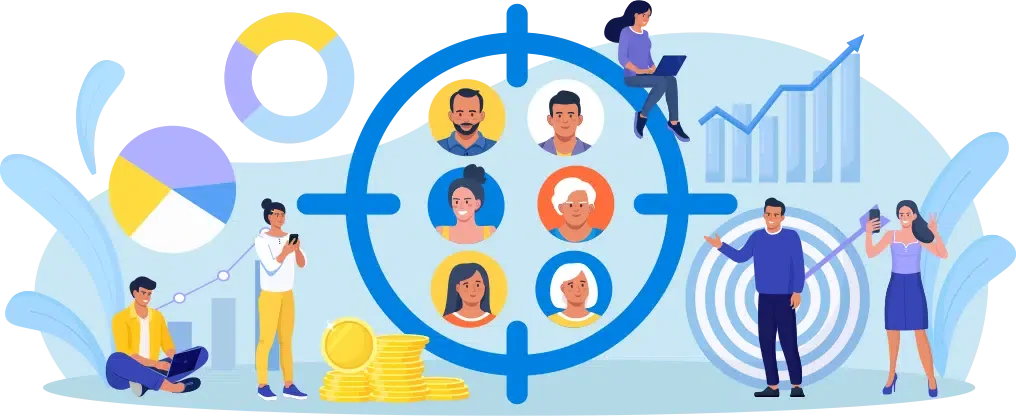
Every business has a group of customers who spend more than the rest. These high-value buyers often share things in common, like age, interests, or shopping habits. When you study this data, you can find patterns that help you reach new people who act the same way.
Lookalike audiences are a smart way to grow your reach. These groups are made up of new people with traits similar to those of your best customers. When your PPC ads show up for them, there’s a better chance they will click and buy.
Getting more of the right kind of traffic makes your ad budget go further. You won’t waste money showing ads to people unlikely to convert. Instead, you can focus on attracting new buyers who are already a good match for what you offer.
Let Small Business SEO Supercharge Your PPC Ads
Crafting PPC ads that resonate with high-spending customers takes strategy, data, and a deep understanding of buyer behavior. Instead of juggling it all yourself, let Small Business SEO handle the heavy lifting and deliver campaigns that drive real results. Reach out today, and we’ll help you turn insights into revenue.
Quick check
Is your site AI-ready?
Does each service have its own page with the answer up top?
Is your main answer in the first 60 words of the page?
Do your headings match how customers actually search?
Does your site load fast and stay clean on mobile?
Do your pages have schema (FAQ / Article) marking them up?
Frequently asked questions
Tracking what your best customers buy can help you create ads that speak directly to their needs. This makes your PPC campaigns feel more personal and leads to better results.
Start by finding patterns in what your highest-value customers buy and when they buy it. Then build ads that reflect their habits and preferences to drive more sales.
Look at your sales data to find the days or times when high-spending customers usually shop. Running ads during those windows helps you reach them when they’re most likely to convert.
Use dynamic remarketing to remind past buyers of products they viewed or purchased. You can also promote upgrades, bundles, and loyalty rewards to keep them coming back.
A lookalike audience targets new people who act like your best customers. This helps you grow your reach and attract buyers who are more likely to spend.
More on Google Ads & PPC

Built and managed thousands of WordPress, Wix, and Shopify sites, plus hundreds on Squarespace, GoDaddy, BigCommerce, Duda, and Weebly.
