

How eCommerce PPC Shapes the Entire Buyer’s Journey
Do you want to shape your buyer's journey? If so, eCommerce PPC is a great investment. Click here to learn more!
Most businesses think of eCommerce PPC as a tool for driving quick sales, but it does much more than that. Every ad a shopper sees plays a role in shaping how they move from curiosity to checkout. The clicks, the searches, and even the abandoned carts all add up to a bigger story about how people buy online.
Instead of only focusing on the last click before purchase, smart marketers look at how ads influence every step of the journey. A strong PPC strategy introduces your brand, builds trust, and keeps shoppers engaged even when they bounce between devices. It creates touchpoints that guide buyers through research, comparison, and decision-making without feeling pushy.
When you understand this bigger picture, you stop treating ads as single-use tools and start seeing them as part of a connected system.
Read on to see how eCommerce PPC shapes the entire buyer’s journey, not just the final sale.
First Impressions That Stick
The first ad a shopper sees has power. A clear message and strong visuals grab attention and make people stop scrolling. That first look shapes how they think about your brand before they even click.
Well-placed eCommerce PPC ads build recognition early. A shopper who keeps seeing your brand starts to trust it more. That trust carries into later stages when they compare products and prices.
Every ad plants a seed that can grow into a buying decision. When the first impression feels positive, shoppers stay open to learning more. A strong start sets the path for repeat visits and higher chances of conversion.
Product Discovery That Feels Personal
Shoppers often stumble on items they did not plan to buy. Targeted PPC campaigns make this happen by matching ads with real searches. For example, a shopper looking for running shoes might find a new brand that fits their style and budget. That moment feels less like advertising and more like a helpful suggestion.
Relevant ads create a smoother shopping experience. When people see products that fit their needs, they are more likely to click and explore. This approach makes shopping feel personal and keeps customers engaged with your brand longer.
Awareness Across Every Screen
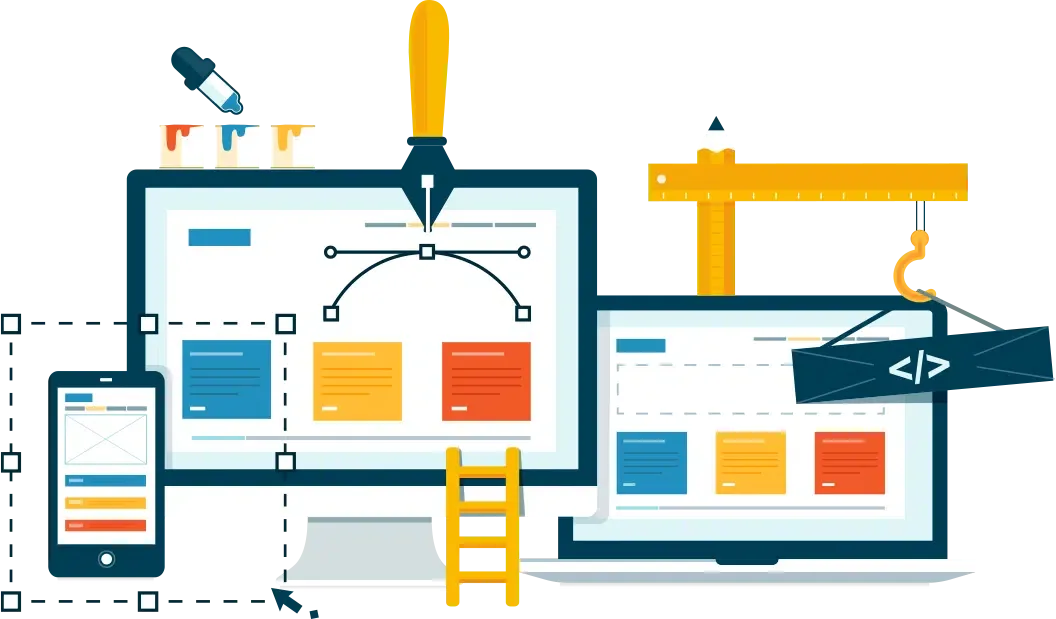
Shopping often moves between devices throughout the day. Someone might browse on a phone during lunch and return later on a computer at home. eCommerce PPC ensures your brand stays visible during these shifts, so attention continues rather than fading.
Cross-device ads act as reminders that strengthen recognition and trust. Each impression creates familiarity, helping shoppers feel more connected before they decide to buy. Consistent visibility across screens builds confidence and supports decision-making.
Here are key ways this strategy works in practice:
- Consistent Messaging – Unified ads across devices keep the brand story clear. Shoppers receive the same promise wherever they see it, which builds confidence and reduces confusion.
- Cross-Device Tracking – Connected data shows how people switch between devices during their journey. This insight helps brands target ads where buyers pause or return, making campaigns more effective.
- Reinforced Engagement – Exposure across multiple screens keeps shoppers interested over time. Each interaction deepens familiarity and makes the brand harder to forget.
When awareness follows buyers naturally across every device, brands hold attention longer and guide shoppers more smoothly toward a purchase.
Research Support in the Middle Stages
Shoppers often move through several comparisons before deciding what to buy. eCommerce PPC helps by serving ads highlighting proof points like customer reviews, product benefits, and brand credibility. These touchpoints give buyers the reassurance they need to keep your brand in consideration.
Retargeted ads extend the conversation as people shift between websites. Each impression focuses on your offer and reminds shoppers of its value. Staying present during this stage makes it more difficult for competitors to win their attention.
Positioning in Competitive Moments
Shoppers often weigh several choices before making a purchase. The eCommerce PPC ads that appear during these decision points remind buyers of your brand when it matters most. Visibility in these moments helps you stay relevant even when competition is strong.
Strategic targeting makes every impression count. Well-placed ads highlight unique benefits that set your offer apart from others. Clear value messages give shoppers reasons to choose you instead of moving on.
Strong positioning is about more than being seen. It is about shaping perception when buyers are close to taking action. PPC ensures your brand remains part of the conversation until the final choice is made.
Nudges Through Micro-Conversions
Small actions like adding an item to a cart or saving a product to a wish list signal real interest. These micro-conversions give PPC campaigns valuable insight into how shoppers move closer to purchase. Each step shows intent and helps identify where people hesitate.
Analyzing these behaviors reveals gaps in the path to checkout. PPC can then deliver targeted reminders or incentives that push shoppers past those sticking points. Guiding buyers through these smaller actions builds momentum that often leads to a completed sale.
Channel Bridges That Keep Buyers Moving
A shopper’s first interaction often starts with a PPC click. That single action can connect them to other channels that continue the conversation and bring them closer to buying.
PPC as the Entry Point
An ad introduces the brand at the exact moment of interest. Once the shopper clicks, they move into a structured path where more touchpoints are waiting. Without this entry, other channels like email or retargeting would have fewer opportunities to engage.
Email as the Reinforcer
After a sign-up, the email continues the dialogue with product details, offers, or reminders. These messages build trust by giving shoppers extra context before they purchase. A strong alignment between PPC and email ensures that the story feels connected instead of fragmented.
Retargeting as the Closer
When shoppers leave without buying, retargeting pulls them back with timely prompts. These ads pick up where email or site visits left off, reminding them of items they considered. Consistent follow-ups across channels reduce lost sales and increase the chance of conversion.

Ad Copy That Shapes Perceived Value
Headlines influence how shoppers judge a product before they even click. The right words can shift perception so a standard offer feels more exclusive, urgent, or worth more than its price tag suggests. eCommerce PPC uses this effect to create stronger connections between brand and buyer.
Well-written copy highlights benefits that go beyond the product itself. Phrases that stress savings, limited availability, or unique quality lead shoppers to believe they are getting more value. This belief makes them more likely to click, explore, and complete a purchase.
Cart Recovery That Feels Personalized
Abandoned carts signal interest that still has potential. Dynamic remarketing ads bring back attention by showing the exact item a shopper walked away from, making the reminder feel personal instead of random.
Relevance is what sparks action in these moments. When buyers see the same product they nearly purchased, along with a tailored message or incentive, they are more likely to finish checkout. This approach turns lost opportunities into recovered sales.
Unlock Growth Across the Buyer’s Journey with eCommerce PPC
Every stage of the buying process benefits when you use PPC to guide, inform, and convert shoppers. Instead of leaving opportunities on the table, you can connect the dots and build campaigns that drive lasting results. For expert support in making this happen, partner with the team at Small Business SEO.
Quick check
Is your site AI-ready?
Does each service have its own page with the answer up top?
Is your main answer in the first 60 words of the page?
Do your headings match how customers actually search?
Does your site load fast and stay clean on mobile?
Do your pages have schema (FAQ / Article) marking them up?
Frequently asked questions
eCommerce PPC shapes every stage from the first impression to the final sale. Ads introduce the brand, build trust, and guide buyers through research, comparison, and decision-making.
The first ad sets the tone for how shoppers view a brand. A clear message and strong visuals create recognition that carries into later buying decisions.
Ads highlight reviews, benefits, and credibility that keep the brand in consideration. Retargeting extends these reminders so competitors have less chance to win attention.
Shoppers often switch between phones, tablets, and laptops during the buying process. PPC ensures the brand stays visible across all devices, reinforcing recognition and confidence.
Dynamic remarketing shows shoppers the exact items they left behind. Personalized reminders with incentives turn missed opportunities into completed sales.
More on Google Ads & PPC


Built and managed thousands of WordPress, Wix, and Shopify sites, plus hundreds on Squarespace, GoDaddy, BigCommerce, Duda, and Weebly.
