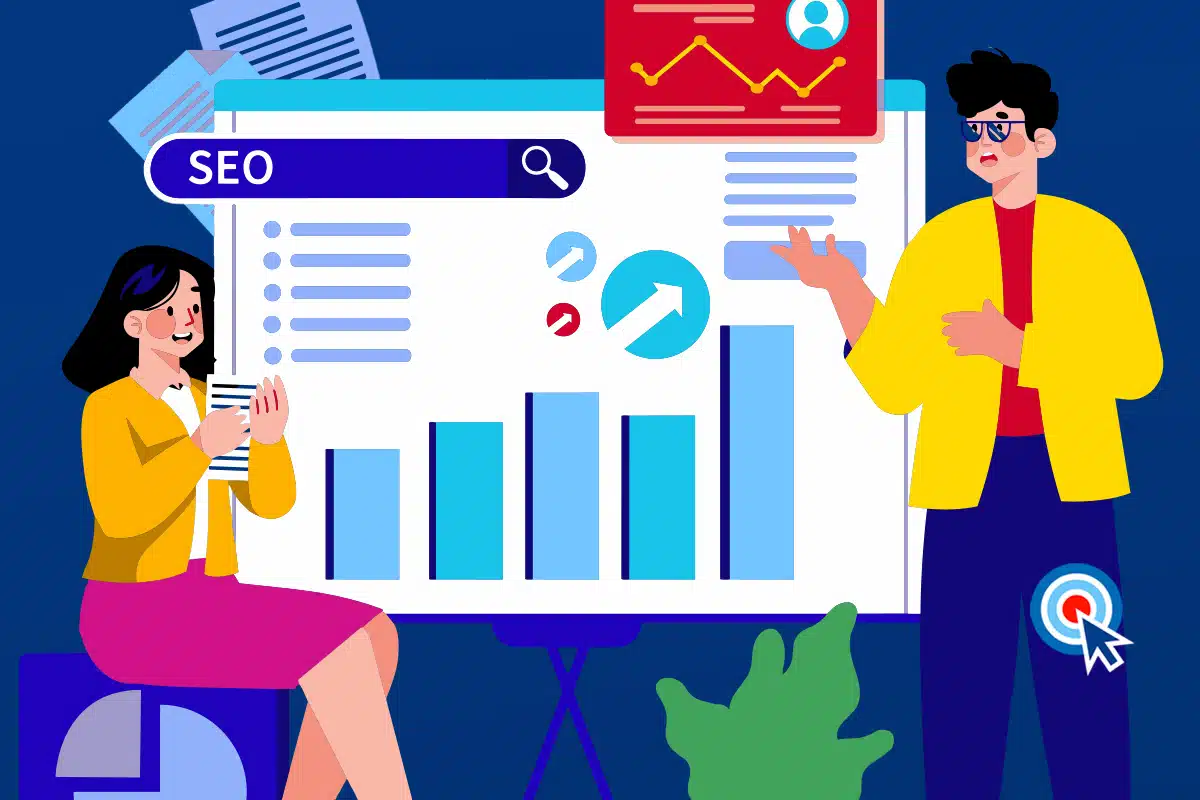
Your traffic numbers might look steady for a while, but that does not mean your SEO is healthy. Small issues build up behind the scenes. Pages slow down, rankings drop a few spots, and visibility fades without warning.
Most SEO strategies fail when they sit untouched. What worked last year may not align with how people search today. Staying visible means spotting problems early and adjusting before real damage sets in.
Here are the subtle signals of declining SEO health.
Prefer a quick summary? Hit play to watch.
Key Takeaways
- Even top ranking pages can lose traffic when their content, metadata, and internal links become stale.
- Google ranking drops often start with minor technical issues that quietly pile up and harm visibility.
- Bounce rates, missed keywords, and snippet losses are early signs your SEO strategy is starting to slip.
Fewer People Are Searching for Your Brand
When your branded search volume drops, it is often a quiet warning sign. Fewer people are typing your business name into Google, which means you are losing top of mind awareness. This dip often appears before a larger drop in overall traffic.
Search engines treat declining branded searches as a relevance signal. This often happens when mentions in blogs, reviews, or news slow down. As those signals fade, rankings slip.
You can reverse this by refreshing brand focused content that matches how people talk about your business today. Campaigns that drive mentions and links help rebuild authority and rankings.
People Are Landing But Not Staying
A high bounce rate on key pages shows visitors are not finding what they need. First impressions shape behavior. Even strong traffic loses value when engagement drops.
The issue often comes from a mismatch between search intent and page delivery. Clear headlines, fast load times, and focused copy close that gap. Small layout changes often improve results.
Effective SEO keeps visitors engaged. Matching content to the right keywords builds trust and keeps users moving forward.
Your Best Keywords Might Be Slipping
Traffic rarely disappears at once. It fades as top keywords lose position. A small position drop leads to fewer clicks, fewer leads, and weaker trust.
These changes often go unnoticed. Pages still rank but fall below the main click zone. Without updates, competitors move ahead.
Strong keyword performance requires regular checks and updates. Pages need focus aligned with current search behavior to hold rankings.
When Great Content Stops Earning Links
Pages lose ground when backlinks slow down. Even stable rankings weaken when fresh links stop. This signals declining usefulness.
Link Growth Slows Without Fresh Triggers
Content needs a reason to get shared again. Search trends, new data, and industry shifts change what people reference. Without updates, pages fall out of discussion.
Search Engines Notice Link Decay
When backlinks stop growing, search engines reduce relevance signals. This impacts individual pages and overall domain trust.
Relaunching Content Revives Link Value
Refreshing content with updated sections, stats, or visuals creates reasons to link again. Outreach works better with timely improvements.
Why Is My Website Losing Google Rankings All of a Sudden?
Rankings often drop after changes in how Google evaluates content, speed, or structure. When pages miss new standards, visibility falls fast.
Sites that fall behind usually skip updates to layout, content, or keyword focus. Ongoing reviews uncover weak points and guide recovery.
Seeing your rankings slip. Get expert help from the digital marketing team at Small Business SEO.

When Competitors Take Your Featured Snippet
A lost featured snippet shows Google trusts another page more. Visibility drops even when rankings appear stable.
Snippet losses happen when answers lose focus or age out. Competitors win with clearer steps and tighter wording.
Winning it back starts with direct answers and strong structure. Consistent updates protect position.
Internal Links Point to Outdated or Low Traffic Pages
Internal links guide users and pass authority. When they point to weak content, they waste value and confuse search engines.
Low traffic pages should not hold key links. Weak paths reduce clarity around priority content.
A content audit fixes this. High performing pages should lead internal linking efforts.
Crawlers Are Missing Parts of Your Site
Pages cannot rank if crawlers cannot find them. Broken links, blocked sections, or tag issues quietly remove content from view.
Here are issues that keep crawlers from indexing your content:
- Blocked resources in robots.txt. Crawlers skip key content when assets are inaccessible.
- Broken internal link paths. Dead ends stop discovery.
- Orphan pages without entry points. Unlinked pages go unseen.
- Incorrect noindex or canonical tags. Small mistakes remove valuable pages from the index.
Fixing crawl issues starts with a technical audit aligned with how search engines read your site.
Page Speed Slowly Gets Worse Over Time
Each update adds weight. Images, plugins, and tracking tools pile up and slow sites over time.
Slow pages frustrate users and lower engagement. Search engines respond by reducing rankings.
Regular performance checks catch slowdowns early. Removing heavy scripts and compressing images restores speed.
Stop Website Traffic Loss With a Great SEO Strategy
SEO problems often build quietly. Regular updates keep content relevant and visible. Small Business SEO provides tools and support to keep traffic growing.
Frequently Asked Questions
How do I know if outdated content is hurting my rankings?
Content that does not match current search intent loses visibility. Search engines favor freshness and relevance.
Why does my SEO traffic drop even though my site looks fine?
Slow declines often point to technical issues or outdated elements like crawl errors or broken links.
What causes my top pages to rank for fewer keywords over time?
When content stops evolving, relevance fades. Regular updates protect keyword reach.
Why are my competitors showing up more often than I am?
They update content, earn links, and follow search trends more closely.
How does internal linking affect SEO performance?
Links to weak pages dilute authority. Strong internal linking keeps priority content visible.

By, Peter Roesler, President of Small Business SEO. 25+ years in marketing! Yippee.
[ How to Beat Everyone, Take Everything, and Print Money at Will (PDF) ]
[ 2026 AI Gold Rush RANK, SCALE, & WIN YOUR MARKET (PDF) ]
Social
@theSEOGodfather | linktr.ee/mrpeteroesler