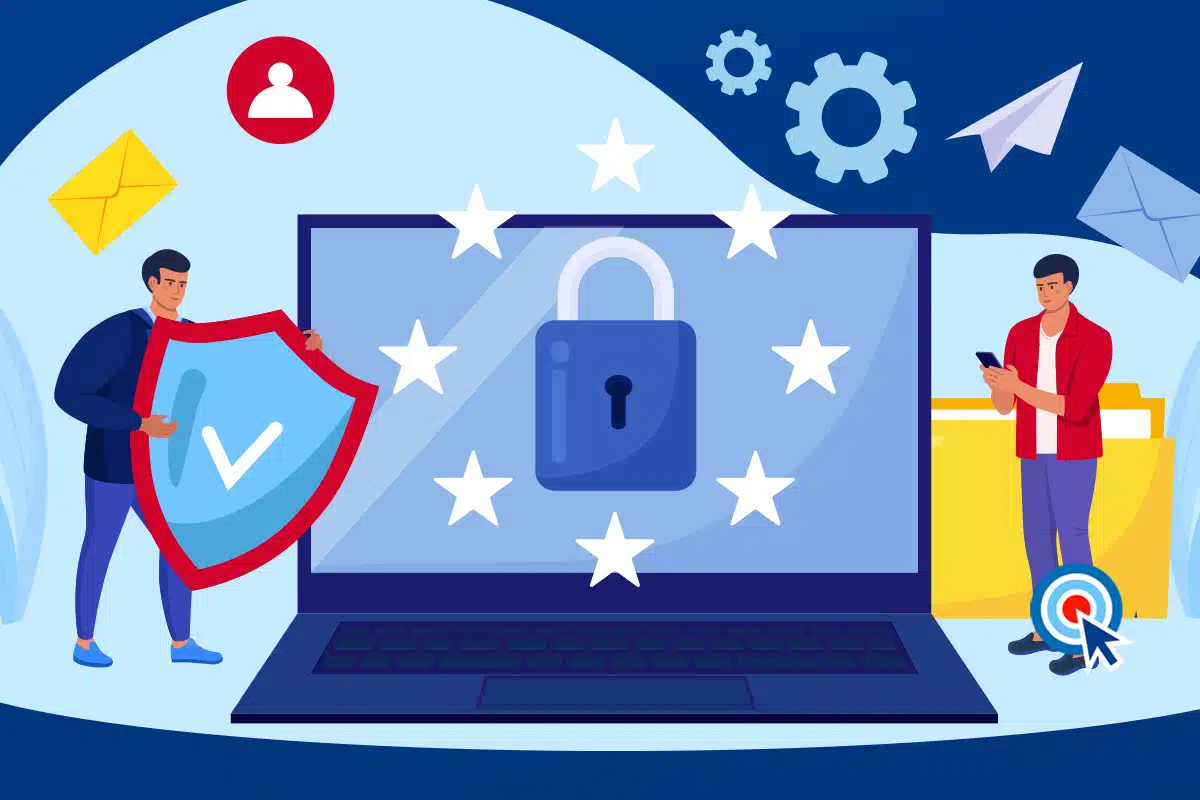
In today’s digital landscape, protecting sensitive data and respecting consumer privacy is no longer a choice for websites and online businesses. With the rise of sophisticated data breaches and the introduction of stricter regulations, such as GDPR and CCPA, compliance has become a non-negotiable aspect of conducting business online.
Consumers are becoming more aware and concerned about how their personal information is being used, leading to a demand for greater transparency from businesses. Having a clear and comprehensive privacy policy is essential for earning the trust of potential customers.
Read on to learn more about why privacy policy compliance is crucial for all websites.
Key Takeaways
- Privacy policy compliance protects user data, builds trust, and keeps businesses legally safe.
- Ignoring privacy laws can lead to lawsuits, fines, and a damaged reputation that is hard to repair.
- Clear, compliant privacy policies support better advertising and long-term customer confidence.
Consumer Trust Hinges on Transparency
Websites with transparent privacy policies foster trust by clearly explaining how personal data is collected, stored, and used. Customers feel more secure when they know businesses prioritize their privacy and follow relevant legal guidelines. This reassurance encourages users to engage with the website and share necessary information.
A clear and compliant privacy policy is critical for small businesses. It allows them to build credibility with their customers while protecting sensitive data like addresses, phone numbers, and payment details. Transparency also reduces the risk of misunderstandings or disputes regarding data usage.
When businesses openly communicate their privacy practices, they meet legal requirements and demonstrate respect for customer concerns. This empowers users to make informed decisions about sharing their data, strengthening the relationship between the business and its audience.
Non-Compliance Leads to Legal Exposure
Non-compliance with privacy laws, like Vermont’s proposed Data Privacy Act, places businesses at risk of significant legal issues. This act includes a “private right of action,” allowing individuals to file lawsuits against companies for violations, even if no actual harm occurred. Small businesses, in particular, may face financial strain due to legal battles or settlements stemming from such claims.
Failing to comply with privacy regulations can also damage a company’s reputation. Negative publicity from legal disputes can lead to a loss of customer trust and reduced business opportunities. To avoid these risks, businesses must ensure their privacy policies are clear, up-to-date, and meet all applicable legal requirements.
State Regulations Add Complexity and Costs
With more than 20 states passing unique privacy laws, keeping up with regulations has become a challenge for businesses. Each state has its own set of requirements, making privacy policy compliance more complex. Businesses must dedicate time and resources to meet these varying standards, which can strain their operations significantly.
These laws can be especially burdensome for smaller companies. For example, Maine’s proposed bill would have required businesses with over 50,000 consumer interactions to perform “data protection assessments.” This would force many websites to hire consultants or invest in additional resources to comply. These costs can quickly add up, making it harder for small businesses to compete.
Privacy policy compliance is time-consuming and expensive, particularly for companies operating across multiple states. Without consistent national standards, businesses must stay updated on evolving laws and adapt their privacy policies accordingly. This challenge illustrates the growing importance of staying proactive to avoid fines and legal issues.

Unified Federal Standards Could Streamline Compliance
Advocacy for a single federal privacy standard is increasing as businesses seek to reduce the complexities of complying with multiple state laws. Small businesses, in particular, would benefit from a national law that simplifies privacy policy compliance while cutting down on costs and time spent understanding varying regulations.
Simplified Compliance Reduces Operational Strain
A federal standard would create a consistent set of rules for businesses to follow. This means companies could focus on a single framework rather than adapting to different state laws. Such simplification would lower administrative burdens and allow resources to be redirected toward growth and innovation.
Cost Savings for Small Businesses
Navigating state-specific regulations often requires hiring consultants or legal teams, which is financially taxing for small businesses. A national standard would eliminate the need for constantly updating policies to reflect state-by-state changes. Businesses could allocate funds to expand operations or improve customer service by reducing compliance costs.
Improved Consumer Confidence Nationwide
A unified privacy policy compliance framework would foster trust by ensuring consistent protections for consumers across all states. Businesses would no longer struggle to communicate varying privacy standards based on geographic location. This uniform approach would help build a reputation of reliability and reliability nationwide.
Enhanced Focus on Core Business Tasks
Reducing the time spent complying with fragmented regulations allows businesses to focus on their primary operations. Companies can dedicate more energy to enhancing products, services, and online experiences. A federal privacy standard would minimize legal distractions, encouraging innovation while maintaining compliance obligations.
The Cost of Compliance is a Key Concern
Due to high costs and resource demands, small businesses face significant challenges when addressing privacy policy compliance. New laws, such as Maryland’s Online Data Privacy Act, require businesses with over 35,000 customer interactions to implement detailed compliance measures. These measures often include hiring legal experts or consultants, which quickly increases expenses for smaller companies with limited budgets.
The financial burden of privacy policy compliance doesn’t just involve legal fees. Businesses must also spend time and money updating internal systems, training staff, and conducting regular data protection assessments. These expenses can lead to operational strain, making it harder for small companies to compete with larger organizations with more resources.
Compliance Safeguards Data and Reduces Breach Risks
When websites follow privacy laws, they implement stronger data protection methods. This includes encrypting sensitive information and limiting data access to authorized personnel. These measures reduce the chances of unauthorized access or theft of customer data.
Proactive compliance helps businesses avoid the costly aftermath of data breaches. A breach can result in hefty fines, legal action, and loss of customer trust. By meeting privacy law requirements, companies show their commitment to keeping personal information secure.
Compliance also promotes better data management practices. Businesses can regularly review and update their systems to prevent vulnerabilities. This protects customers’ information and strengthens the company’s overall security framework.
Privacy Policy Compliance Supports Effective Advertising
Privacy policy compliance enables businesses to leverage data responsibly for advertising purposes. Adhering to regulations ensures that personal information is used ethically while maintaining consumer trust.
This balance allows websites to use effective, data-driven marketing strategies without overstepping legal boundaries.
Here are key ways compliance supports advertising efforts:
- Improved Targeting Accuracy: Businesses can access reliable information for creating targeted campaigns by obtaining consent to use personal data. This ensures that ads reach the right audience, improving click-through and conversion rates.
- Consumer Confidence in Marketing Practices: Transparent privacy practices reassure customers that their data is not being misused. This trust increases the likelihood of users engaging with personalized ads, benefiting consumers and businesses.
- Regulatory Protection for Ad Campaigns: Compliant businesses avoid penalties that could disrupt advertising budgets or halt ad operations. Stability in advertising initiatives allows companies to plan long-term campaigns with confidence.
- Integration with Consent Management Tools: Leveraging tools like consent banners aligns with data privacy laws while collecting valuable user insights. These tools ensure businesses remain lawful and effective in gathering actionable advertising data.
By adhering to privacy laws, businesses can create marketing strategies that respect legal standards and consumer expectations. Maintaining compliance ultimately enhances advertising efficiency and builds enduring customer relationships.

Avoiding Reputational Damage is Essential
Data privacy violations or breaches can tarnish a brand’s reputation, sometimes beyond repair. Trust is one of the most valuable assets a business can have, and when customers feel their personal information isn’t safe, they quickly lose confidence. Word of privacy mishaps spreads fast, especially on social media, where public backlash can further amplify the damage.
Even unintentional non-compliance with privacy laws can lead to significant fallout. For instance, Vermont’s vetoed privacy law highlighted how businesses could face lawsuits even without causing harm. These legal actions can result in headlines that paint a negative picture of the company, discouraging potential customers and partners alike.
Businesses can avoid these risks by ensuring websites have compliant and transparent privacy policies. Strong privacy measures show customers that their data is handled carefully, which helps maintain trust and reinforces the brand’s reputation. Being proactive in privacy policy compliance is a key step to safeguarding both consumer relationships and long-term business success.
Need Help Developing a Privacy Policy For Your Website?
The team at Small Business SEO understands the importance of privacy policy compliance for small businesses. We help our clients create clear, compliant privacy policies that build trust and protect their brand reputation.
Frequently Asked Questions
Why is privacy policy compliance important for websites?
Privacy policy compliance is essential for protecting sensitive data, respecting consumer privacy, and building user trust. It also ensures businesses meet legal obligations, helping them avoid fines and reputational harm while fostering transparency.
What are the risks of not complying with privacy laws?
Non-compliance exposes businesses to lawsuits, fines, and legal disputes, even in cases where no harm occurs. It can also damage a company’s reputation, leading to a loss of customer trust and reduced growth opportunities.
How do state-specific privacy laws affect businesses?
State-specific privacy laws add complexity and increase the cost of compliance, especially for smaller businesses. Companies must allocate resources to meet varying standards, which can strain operations and hinder competitiveness.
How does privacy policy compliance benefit advertising efforts?
Compliance allows businesses to use personal data ethically, improving targeting accuracy and maintaining consumer trust. It also protects companies from regulatory penalties, enabling them to run effective and stable advertising campaigns.
What are the consequences of a data breach for non-compliant businesses?
A data breach can result in significant fines, legal action, and a loss of customer trust. Non-compliance exacerbates these risks, as businesses may face additional penalties for failing to meet privacy law requirements.

By, Peter Roesler, President of Small Business SEO. 25+ years in marketing! Yippee.
[ How to Beat Everyone, Take Everything, and Print Money at Will (PDF) ]
[ 2026 AI Gold Rush RANK, SCALE, & WIN YOUR MARKET (PDF) ]
Social
@theSEOGodfather | linktr.ee/mrpeteroesler