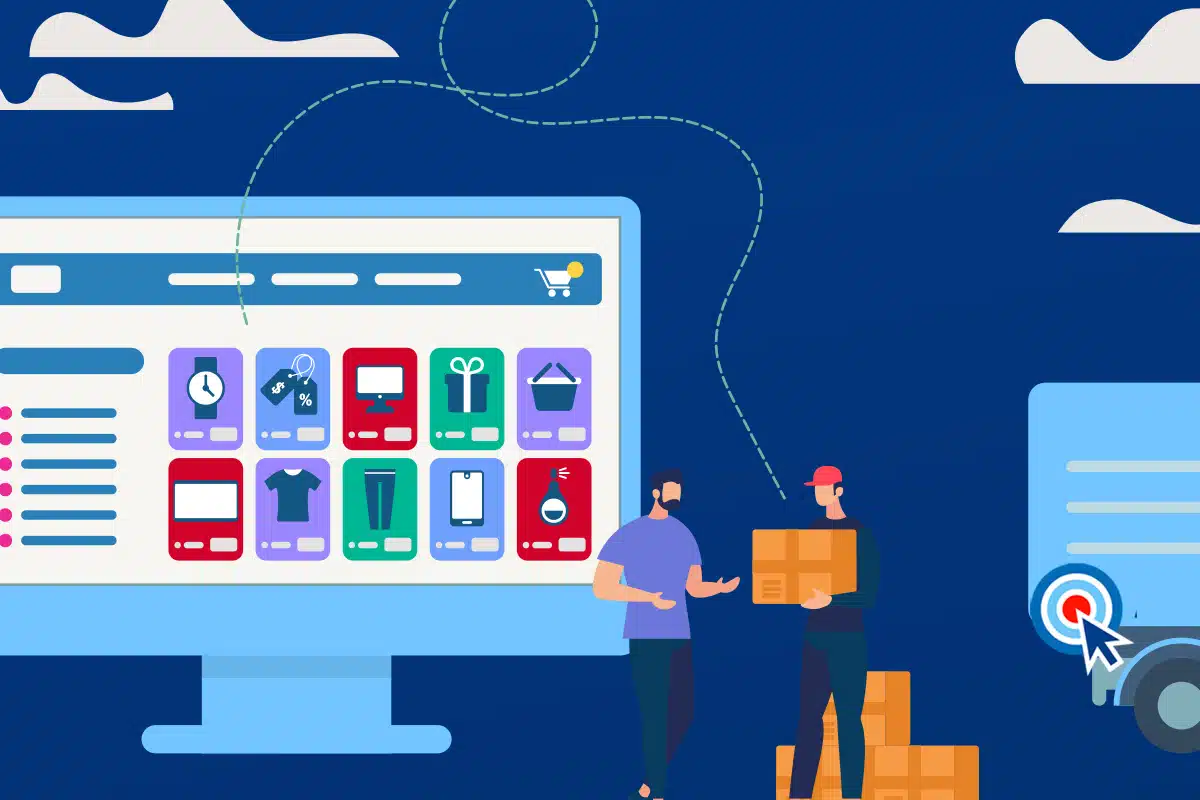
Running a multi-category online store takes more than adding products and hoping for clicks. Every category competes for rankings; without a scalable eCommerce SEO strategy, minor problems multiply as you grow. A clear plan keeps your site organized, your content focused, and your revenue potential intact.
A scalable approach covers everything from innovative site architecture to clean index management. It makes it easier for search engines to understand your store and for shoppers to move smoothly from category to category. With the right framework, your team can adapt quickly without creating technical debt.
Below is a breakdown of the most important steps to building an eCommerce SEO strategy that can grow alongside your store.
Start With a Deep, Professional Audit
Scaling without a thorough audit locks in hidden issues that will slow growth. Digital marketing professionals bring the tools and expertise to uncover technical, structural, and content-related problems.
Addressing these issues early keeps your eCommerce SEO strategy efficient and ready for long-term success.
Focus your audit on these core areas:
- Technical Infrastructure Review – Specialists assess server response times, crawl efficiency, and mobile performance. Optimizing these areas improves both search visibility and the shopping experience.
- Indexation and Crawl Budget Analysis – Experts identify wasted crawl budget from duplicate content, thin pages, and parameter-based URLs. Correcting these problems helps search engines focus on high-value pages.
- Category and Internal Linking Structure – Professionals map how link equity flows between categories, subcategories, and product pages. A strong linking structure strengthens rankings for priority categories and improves navigation.
- Content Depth and Keyword Alignment – Marketers compare existing content to target keyword opportunities in each category. Filling these gaps increases relevance and positions your store for competitive terms.
A professional team ensures your audit addresses every detail, so scaling your store builds on a solid foundation.
Segment Keyword Research by Buyer Intent and Category Priority
Strong keyword research connects your products with people who are ready to buy. An eCommerce SEO team should group keywords based on buyer intent to prioritize the most valuable terms. Commercial intent keywords often bring more sales than broad informational terms.
Category priority directs attention to the areas of your store that can deliver the highest returns. High-margin or best-selling categories deserve the most focus in your SEO plan. Organizing keywords this way creates a clear strategy for growth and better search performance.
Engineer a Category Architecture Built for Growth
Clear category architecture makes it easier for customers to find what they need. A strong structure also helps search engines understand how your store is organized. This foundation should support growth without creating confusion or extra clicks.
Information architects can design a system that works for current and future products. They will plan category and subcategory paths that guide shoppers naturally through the buying process. This approach keeps the experience smooth as your inventory expands.
A well-planned taxonomy improves internal linking and distributes authority to key pages. It also reduces the risk of duplicate content and indexation issues. Building this structure early protects your site as you add more products over time.
Implement Standardized Templates for Products and Categories
Consistent templates make it easier to apply updates across many pages at once. They keep metadata, schema, and layouts uniform so search engines and shoppers see a clear structure. This reduces mistakes and saves time when rolling out changes.
Standardized layouts also help your eCommerce SEO strategy work more efficiently. Your team can optimize large sections of the site without creating gaps or inconsistencies. A single change to a template can improve hundreds of pages instantly.

Deploy Intelligent Internal Linking Strategies
Strong internal linking improves how search engines read and rank your store. A planned approach also moves shoppers toward pages with the highest chance of converting.
Strengthening Category and Product Page Rankings
Linking related pages passes authority to important categories and products. This helps them compete for competitive keywords. Higher rankings lead to more qualified traffic and stronger sales potential.
Improving Crawl Efficiency for Large Stores
Search engines use internal links to find and index pages faster. A clear linking structure reduces wasted crawl budget and ensures priority pages get attention. Faster indexing supports quicker ranking improvements.
Increasing Relevance Signals for Target Keywords
Contextual links with keyword-rich anchor text tell search engines what a page is about. Linking from related content reinforces topical relevance. This boosts visibility for targeted search terms in your eCommerce SEO strategy.
Control Faceted Navigation to Prevent Index Bloat
If left unmanaged, faceted navigation can create thousands of low-value URLs. Careful control ensures search engines focus on pages that support your eCommerce SEO goals. This protects the crawl budget and keeps key pages ranking strong.
SEO specialists review filters to find combinations that add value for shoppers. They block variations that create duplicate or thin content. This approach keeps your site efficient while capturing the most valuable search traffic.
Build a Content Strategy That Supports All Categories Equally
Your content plan should address every category in your store. Focusing only on top sellers leaves growth potential untapped. Balanced coverage helps each section attract targeted traffic and reach new customers.
Strategic content planning includes product guides, comparison articles, and seasonal features for every category. These assets give shoppers useful information while building authority for your pages. Strong content also improves keyword targeting and rankings across the site.
A consistent approach prevents gaps that weaken your overall SEO performance. Giving equal weight to each category builds a stronger foundation for long-term growth. This strategy keeps your store competitive across all areas of your inventory.
Tie SEO Goals Directly to Measurable Revenue
High rankings mean little if they do not lead to sales. SEO efforts should focus on metrics that show real business impact. Connecting rankings, traffic, and conversions to revenue keeps the strategy accountable.
Key areas to track include:
- Conversion Rate Tracking – Measure how well organic traffic turns into paying customers. Improving this rate can create more revenue without needing higher traffic volumes.
- Revenue per Visitor Analysis – Calculate how much each organic visitor spends on average. Tracking this over time shows if your SEO traffic is becoming more valuable.
- Category-Level Revenue Reporting – Break down revenue by category to see where SEO drives the most profit. This helps direct resources to the highest earning sections of your store.
- Attribution Modeling for Organic Sales – Use multi-touch attribution to understand how organic search contributes to the sales process. This reveals the true value of SEO beyond last-click conversions.
Linking SEO performance directly to revenue ensures every optimization moves your business toward measurable growth.
Create Linkable Assets That Benefit Multiple Categories
High-quality backlinks work best when they support more than a single page. Resources like buying guides, interactive tools, or industry reports can attract links that strengthen multiple related categories. This spreads authority across your site and improves rankings for a wider range of keywords.
Content that answers common questions or solves real problems earns more links over time. Placing these assets in a way that connects to several category pages increases their impact. This approach builds lasting SEO value and helps multiple sections of your store grow together.
Implement Scalable Performance and Speed Enhancements
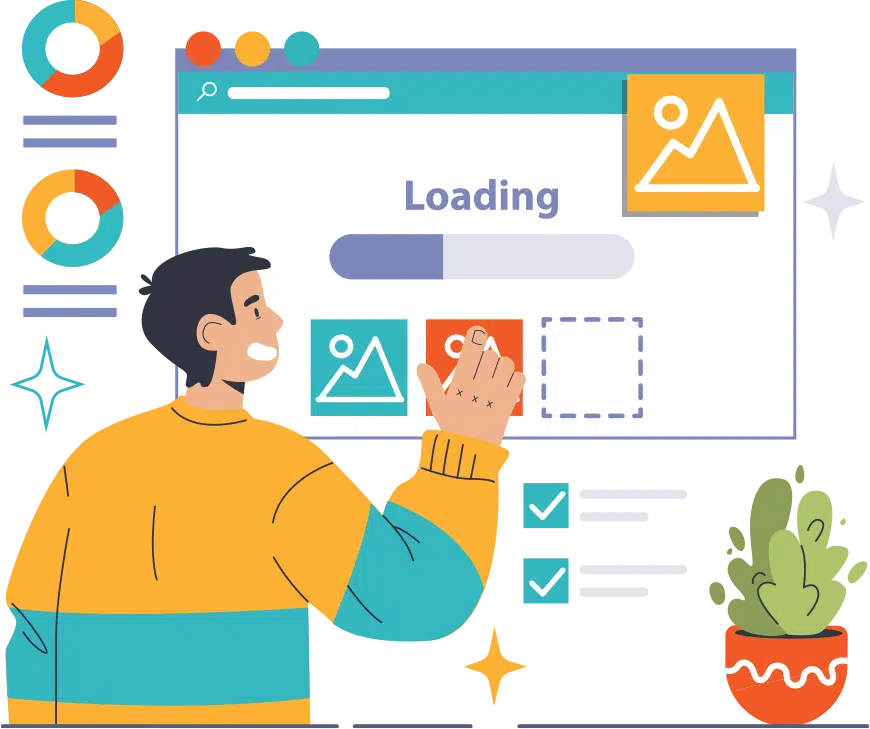
Fast pages keep shoppers engaged and improve search rankings. Optimizing performance at the infrastructure and template level ensures the entire site benefits from the changes. This approach avoids time-consuming updates to individual pages.
Agencies can roll out speed improvements across all categories at once. Techniques like image compression, script minimization, and caching deliver faster load times. Better performance helps customers browse more products and complete more purchases.
We Can Help You Develop an eCommerce SEO Strategy
Are you trying to take your eCommerce SEO strategy to the next level? If so, contact Small Business SEO for help!
Key Takeaways
What is the best way to scale eCommerce SEO for a multi-category online store?
A scalable eCommerce SEO strategy uses clear site architecture, smart keyword targeting, and consistent templates. This approach keeps the store organized while improving rankings across all categories.
How do professional SEO audits help online stores grow?
A professional audit uncovers technical issues, content gaps, and structural problems before they limit growth. Fixing these early creates a stronger foundation for future SEO work.
Why is internal linking important for eCommerce SEO?
Intelligent internal linking helps search engines understand the relationship between pages and improves crawl efficiency. It also passes authority to important categories and products, boosting their rankings.
How can faceted navigation hurt SEO if not managed?
Uncontrolled faceted navigation can create thousands of low-value URLs that waste the crawl budget. Managing filters ensures only valuable pages get indexed, improving site performance in search.
How does content strategy impact all categories in an online store?
Balanced content across all categories helps each section attract targeted traffic and rank for relevant keywords. This prevents missed opportunities in lower-profile categories and supports overall revenue growth.

By, Peter Roesler, President of Small Business SEO. 25+ years in marketing! Yippee.
[ How to Beat Everyone, Take Everything, and Print Money at Will (PDF) ]
[ 2026 AI Gold Rush RANK, SCALE, & WIN YOUR MARKET (PDF) ]
Social
@theSEOGodfather | linktr.ee/mrpeteroesler